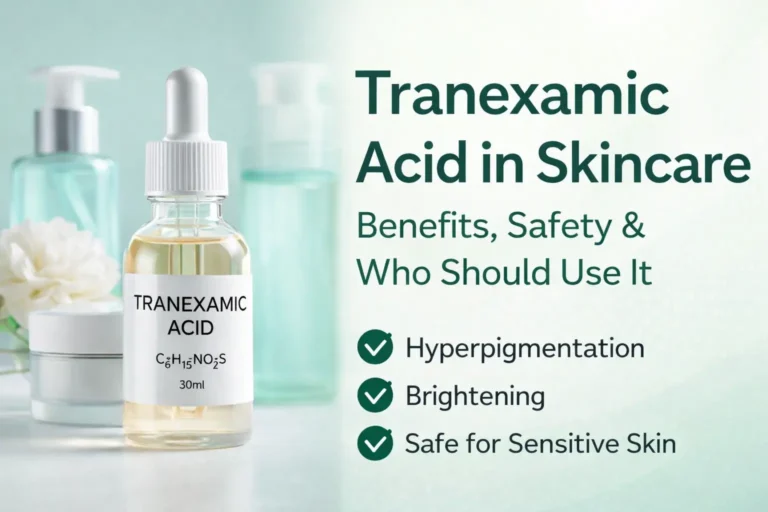
Compounded Skincare Solutions: Personalized Formulations for Better Results
Compounded skincare solutions are more than just another approach — they represent the next level of personalized skin health. At The Labon, we specialize in creating customized formulations that meet the unique needs of each patient, especially when standard products fall short. thelabon.com
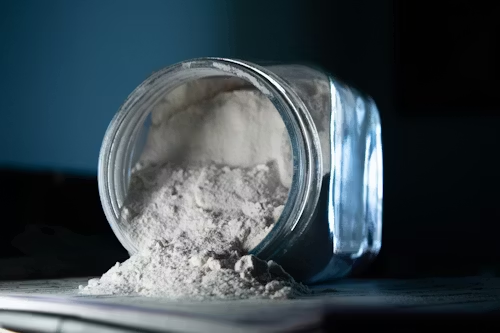
Whether your skin reacts to common actives, shows stubborn pigmentation, or needs a blend of multiple ingredients at custom strengths, compounded skincare can deliver results that off-the-shelf products often can’t.
In this article, we’ll explore:
- What compounded skincare is
- Why it’s especially useful for sensitive or complex skin concerns
- How customized formulations outperform mass-market products
- What to expect when choosing compounded products from a professional pharmacy
What Is Compounded Skincare?
Compounding is the process of creating custom medications or topical formulations tailored to an individual’s specific needs. At a compounding pharmacy like The Labon, pharmacists can combine or adjust skin actives in precise doses, choose appropriate bases (cream, gel, ointment), and exclude ingredients that might cause irritation. thelabon.com
Unlike regular commercial skincare, compounding allows:
- Custom strength adjustment (e.g., lower retinoid percentage for sensitive skin)
- Combination of multiple actives tailored to your condition
- Exclusion of allergens or irritation triggers
- Special dosage forms not available in standard products
This is especially useful for people who have skin conditions that don’t respond well to generalized products.
Why Compounded Skincare Solutions Works for Tough Concerns
Here are core reasons compounded solutions deliver better results:
1. Personalization for Unique Skin Profiles
Every person’s skin has its own sensitivities, triggers, and tolerances. Compounded skincare:
- Matches your exact skin needs
- Avoids unnecessary irritants
- Can combine multiple beneficial ingredients in one product
Example: A formula with 0.5% salicylic acid + 2% niacinamide + ceramide base for acne-prone but sensitive skin.
2. Custom Strengths Reduce Irritation
Standard products often come in set strengths, which can be:
- Too weak to be effective
- Too strong for sensitive skin
Compounded solutions let pharmacists fine-tune potency so your skin gets results without irritation.
3. Combining Actives for Complex Concerns
For conditions like:
- Stubborn pigmentation
- Acne scars
- Rosacea-prone skin
- Eczema flare pigmentation
A compounded blend can combine:
- Anti-inflammatory actives
- Melanin inhibitors
- Barrier-repair agents
This means fewer products and better synergy.
4. Formulation Base Choices Improve Tolerability
The choice of base matters. A cream base behaves differently than a gel or an emollient ointment. Compounded solutions can be prepared in bases that:
- Improve absorption
- Reduce stickiness
- Enhance hydration
- Avoid comedogenicity
This is especially useful for sensitive, dry, or reactive skin types.
When to Consider Compounded Skincare
Compounded products are a great choice if you:
✔ Have tried several commercial products without improvement
✔ React to common ingredients (fragrance, preservatives)
✔ Have a combination of skin concerns
✔ Need a specific ingredient strength not available in stores
✔ Have a prescription or recommendation from a dermatologist
Compounding bridges the gap between clinical dermatology and everyday skincare.
Safety and Professional Standards
The Labon is an accredited compounding pharmacy with sterile and non-sterile manufacturing capabilities. thelabon.com
Compounding pharmacists are trained in:
- Quality control
- Ingredient compatibility
- Stability and safety of formulations
- Regulatory compliance
This ensures that every compound meets high standards of purity, effectiveness, and safety.
Common Misconceptions About Compounded Skincare
Myth: Compounded means unregulated
Reality: Proper compounding is highly regulated with quality checks at every stage.
Myth: Only for rare conditions
Reality: Many clients benefit from compounded products for acne, pigmentation, rosacea, and sensitive skin.
Myth: It’s always expensive
Reality: While costs vary, compounded products can be cost-effective when they replace multiple ineffective store products.
How a Compounded Skincare Formulation Works
- Assessment: Pharmacist reviews your skin history and goals
- Ingredient Selection: Choose actives that address your concern
- Strength Customization: Adjust levels to suit your skin type
- Base Selection: Determine best carrier for comfort and efficacy
- Quality Assurance: Stability and purity checks
- Dispensing: Clear instructions for use and storage
This personalized approach often leads to better results and higher satisfaction.
Conclusion: A Smarter Path to Better Skin
Compounded skincare is not a trend. It’s a scientific, patient-centered way to treat tough skin concerns that don’t respond to one-size-fits-all products.
If you want tailored solutions that address your specific needs — from pigmentation to acne scars and sensitive skin — compounded formulations from a professional pharmacy like The Labon offer a safe and effective route.
References
This article draws on the science of personalized formulations and compounding pharmacy best practices from industry knowledge and standards of compounding practice.